Surf clubs under threat from climate change
Updated

Photo: The report says 63 per cent of surf clubs are in zones of potential instability. (Andrew Gray: ABC TV) Map: Seaspray 3851
'When [you] put it on a map, look at it and start to quantify the level of activity that we have to do, the level of funding that we have to source to respond to these changes, that is the potential scary part," he said. Across the country, a huge number of clubs are predicted to fall into the zones of potential instability. In Victoria, 84 per cent of clubs would be affected, while in South Australia and Tasmania, 89 per cent of clubs would be affected.
Adaptive strategies
Mr Farmer says the report creates a road map which will allow Surf Lifesaving Australia to start developing strategies to adapt to the issues created by climate change."For the last few years, we have been trying to stay up with the game and that was one of reasons we commissioned the report," he said. "So that we can try and control the expenses as we go forward."
The initial focus of the plan outlined in the report is assessing the extent of the problems and developing programs to make surf clubs aware of the threats posed by climate change. The report does not quantify the possible costs associated with rebuilding infrastructure or relocating clubs.
Saving Clubs
Mr Farmer says concern is growing among the surf lifesaving clubs about their future."We have some of our clubs now that are spending millions of dollars to relocate their buildings and to have coastal vulnerability assessments undertaken," he said. "For example, Seaspray in Victoria, Moore Park on the north coast of Queensland, Currumbin Surf Club on the Gold Coast have all been extensively exposed and may need to rebuild or relocate." Mr Farmer says there has been over 100 years investment in surf clubs and their buildings. "There has been funding from state, federal and local government and more importantly decades of fundraising by clubs members," he said.
"There is a significant asset base and we must look at how we protect these clubs."
Changing regulations
The report also shows changing regulations created by state and federal governments to address the issue of climate change is impacting surf clubs. "Some clubs are in locations where, under today's regulations and thinking, they would not have been constructed," he said. Mr Farmer says rebuilding and refurbishing may be impossible, because state and local government regulations have been modified to link development applications with sea level rise benchmarks. "So it's not only storms that are impacting the ability of clubs to maintain their assets, it's the change in regulations," he said.Protecting the patrols
Mr Farmer says the key reason for the report is Surf Lifesaving Australia's desire to protect the service the clubs provide for up to 200 million beach visits every year. "If we can't be there, how can we make sure that they are safe?" he asked. Mr. Farmer says Surf Lifesaving Austral wants to ensure surf clubs remain on the beach and have started to speak with different levels of government to try and identify some initial funding to help undertake these vulnerability assessments. "There needs to be an ongoing level of funding to ensure that we can continue to provide the safety, the services that the people of Australia have become familiar with over the last 104 years," he said.Topics: climate-change, environmental-impact, environmental-management, surf-life-saving, seaspray-3851, melbourne-3000, currumbin-4223, adelaide-5000
First posted


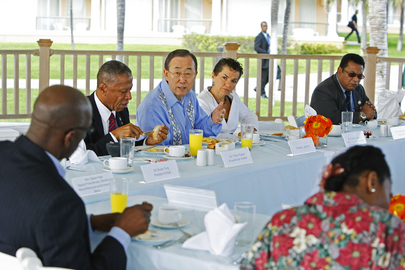 7 October 2011 -– A week of formal climate negotiations in Panama ended on Friday with progress on drafting those decision texts that will allow governments to push ahead strongly in Durban with concrete help for the developing world to deal with climate change. "Panama made good progress on preparing the decisions that will help developing countries adapt to climate change and get access to the technologies they need to create their own clean energy futures,” said Christiana Figueres, Executive Secretary of the UN Framework Convention on Climate Change (UNFCCC).
 20 September 2011 –


